

Location Info
Bust
Kazımdirik
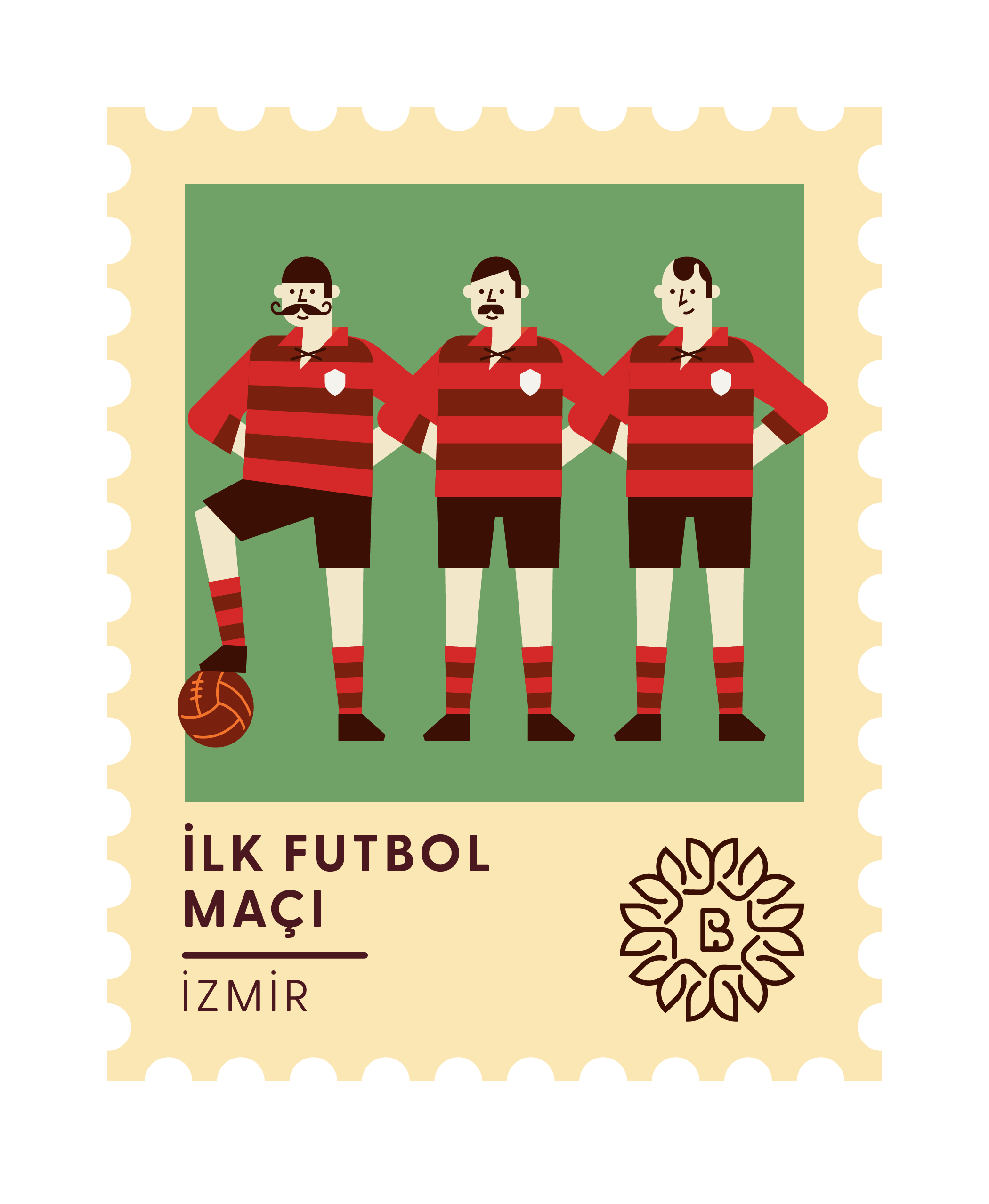
In the second half of the 1800s, as the Ottoman Empire's integration with Western civilizations intensified, the Levantine families in Izmir in particular assumed a guiding role, causing Izmir to become acquainted with many firsts in Western civilization and culture. The foremost among these firsts is football. According to the Tercuman Sports Encyclopedia published in 1970 and Turkey's Football...




First Football Pitch
In the second half of the 1800s, as the Ottoman Empire's integration with Western civilizations intensified, the Levantine families in Izmir in particular assumed a guiding role, causing Izmir to become acquainted with many firsts in Western civilization and culture. The foremost among these firsts is football. According to the Tercuman Sports Encyclopedia published in 1970 and Turkey's Football...
In the second half of the 1800s, as the Ottoman Empire's endeavour to integrate with Western civilisations intensified, the Levantine families of İzmir in particular assumed a guiding role, ensuring that İzmir was the first city in Turkey to encounter many innovations of Western culture and civilisation.
Foremost among these firsts was football.
According to the Tercüman Sports Encyclopaedia, published in 1970, and the History of Turkish Football, published by the Turkish Football Federation, Bornova was the place where Turkey first encountered football in 1877. The history page of the Turkish Football Federation's official website states: "It is known that football was first played in our country in the last quarter of the 19th century. The first flame lit in Salonica during the Ottoman period spread in time to the meadows of Bornova" — thereby identifying Bornova as the site of the first game of football in Turkish territory.
James La Fontaine — a Bornova resident who first established the İzmir Football League and then, in 1904, became one of the founders and first president of the Istanbul Football League (for whom the idea of naming a stadium in Istanbul was once proposed) — lived in the mansion opposite the present-day Suphi Koyuncuoğlu Secondary School, still in the use of Ege University and bearing his name.
According to knowledge gained from the accounts and photographs passed down through generations by the Levantine families and native Bornova residents, the place where football was first played in Bornova was the meadow to the left of Davy House — today the Officers' Club — at the site now occupied by the blocks of flats opposite the Yavuz Selim Secondary School.
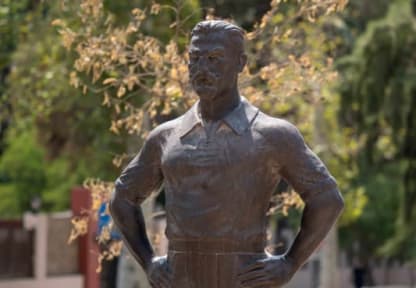
Although the spot is now covered by apartment buildings, a footballer statue commissioned by Bornova Municipality stands at this location, bearing the inscription: "The first game of football in Turkey was played here in 1877."
The Turkish Football Federation and academic sources clearly confirm Bornova's pioneering role in the history of football.
Source: https://www.tff.org/default.aspx?pageID=293
