Historic Buildings
Discover Bornova's past through its architectural heritage spanning from mansions to public buildings, mosques and churches.
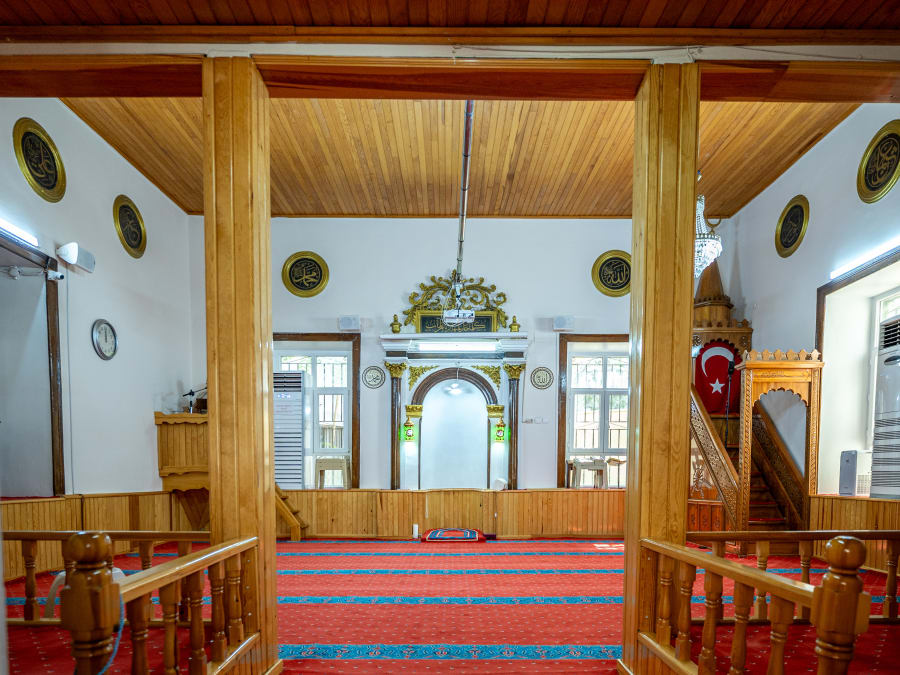 Religious Building
Erzene
The Bornova Küçük Mosque was built during the reign of Sultan Mahmud II (1808-1839) by Ömer Lütfü Bey, the governor of İzmir. The mosque, which underwent extensive repairs in 1912, has an unknown architect.
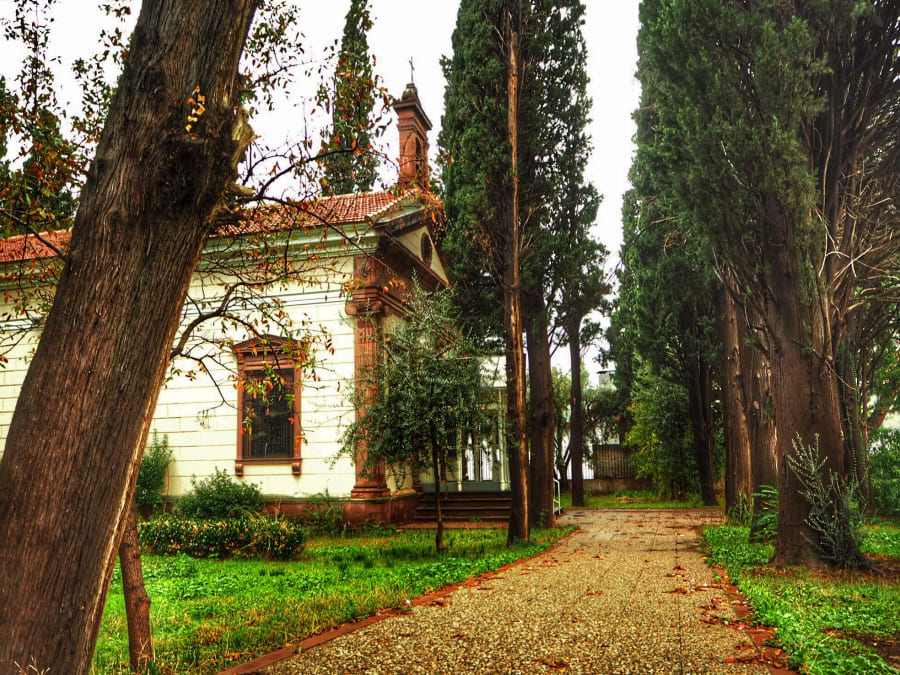 Religious Building
Erzene Mahallesi
Located right next to the Ege University Rectorate (formerly the "Great House" of the Whittall family), St. Mary Magdalene Church was built in 1857 by Charlton Whittall, a Levantine merchant from Bornova, as a gift to the villagers. Whittall dedicated the church to the memory of his wife, Magdaleine Giraud.
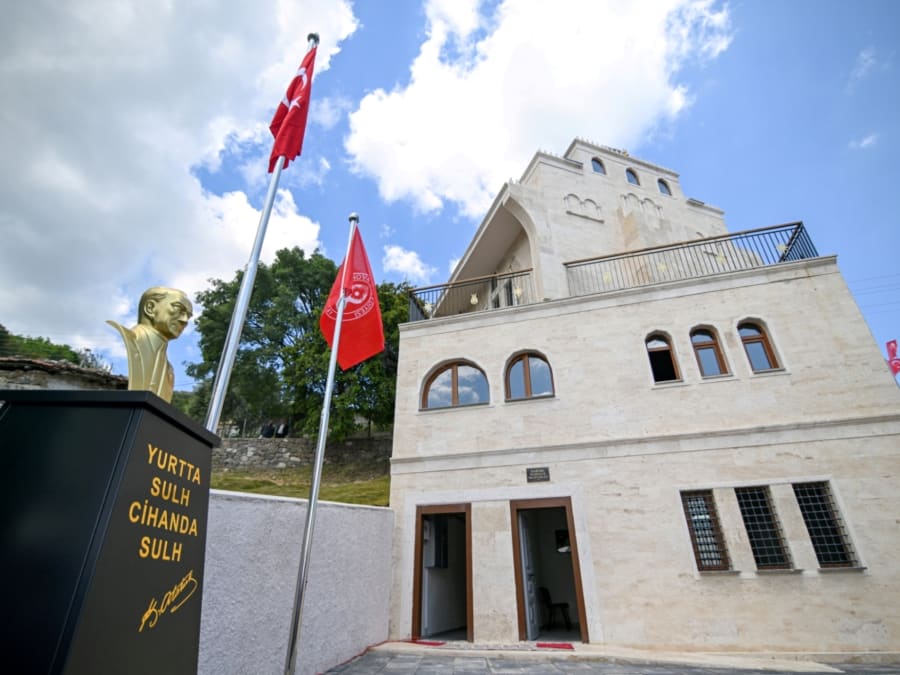 Religious Building
Sarnıç
Sarnıç Mahallesi Mescid-i Aksa Camii, Kudüs’teki Mescid-i Aksa’dan ilham alınarak tasarlanan özgün silüetiyle öne çıkan modern bir sivil mimarı örneğidir.
 Religious Building
Kemalpaşa
Dating could not be established due to the absence of information about the building's patron and construction inscription. It is a single-domed square-plan structure. Judging from an old photograph taken in 1950, the building is situated within a high courtyard wall made of rubble stone. Similarly, the mosque was also built with rubble stones, but since it is currently covered with plaster, the original material is not visible...
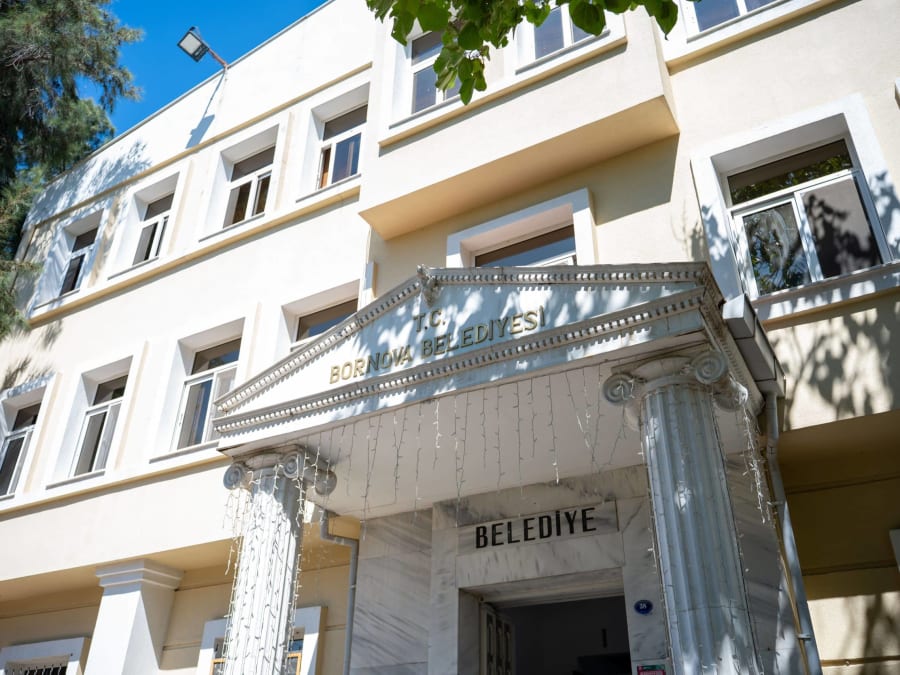 Public Building
Kazımdirik
Located in the center of Bornova, the Historic Municipal Building is one of the city's most important public structures. The building is situated within Buyukpark, which played a critical role in Bornova's historical transformation. The area where today's Buyukpark stands is referred to as a "large Turkish cemetery" in Richard Pococke's 1739 travelogue. From the 18th century until the 1920s, the site served as a cemetery...
 Religious Building
Erzene
The structure is located in Bornova's Cumhuriyet Square. Built on a north-south axis, the building's inscription reads: "In the year of our Lord 1831, the Reverend Father Isodoro da Boscomari, fulfilling the rule of Saint Franciscus, with the capital contribution of the Istanbul Mission, the Capuchin Fathers and currently apostolic delegate, had this building constructed from its foundations in the name of the Blessed Virgin Mary."...
 Mansion
Ergene
Paterson Mansion is one of the largest and most magnificent residences representing the Levantine era of Bornova and Izmir. The mansion was commissioned by grain merchant John Bortwick Paterson, who came from Leith, Scotland to Izmir, with construction beginning in 1859 and completed around 1860. Paterson's mining concessions obtained from the Ottoman Empire and his commercial activities with England enabled the family's...
 Mansion
Erzene
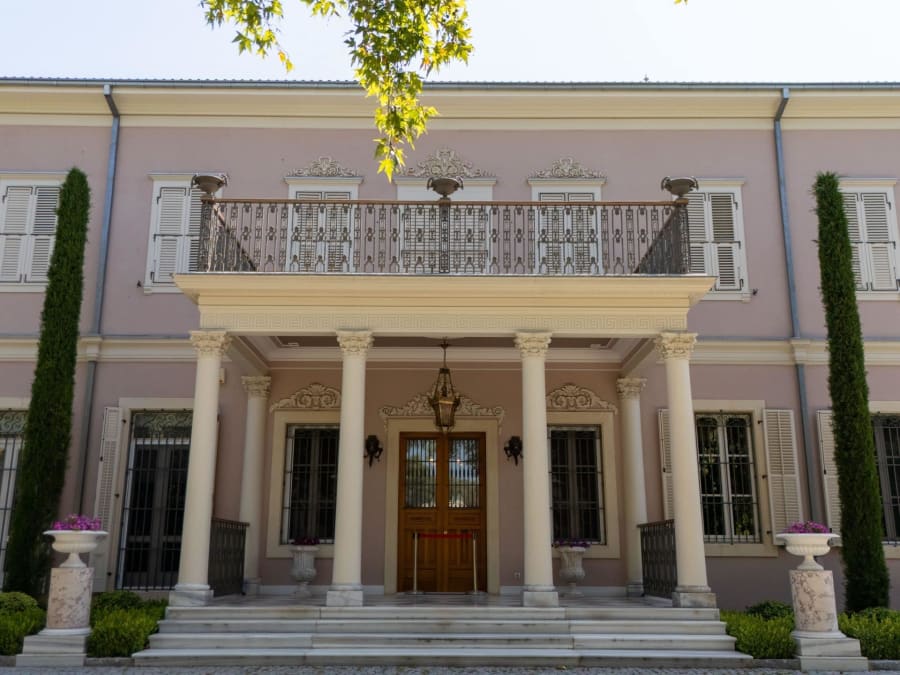
Mattheys Mansion was built in the late 18th century by English merchant John Maltass and is one of the oldest Levantine residences in Bornova. The property later passed to Maltass's daughter Eugenie Wood and the Wood family. One of the mansion's long-term last residents, Hortense Wood, was an intellectual immersed in music and literature who had taken lessons from Franz Liszt. The diaries kept by Hortense Wood...
 Bridge
Yakaköy
Basin: Gediz. River: This bridge is located in the Nif (Kemalpasa) Stream (Gediz tributary) basin, at coordinates 38°29'38.40"N 27°17'47.47"E in Izmir – Bornova; Ciceklikoy-Arapalani area. Also known among locals as the Historic Roman Bridge, it is a main-arched bridge with slight slopes in both directions, featuring 10 arches. On the upstream facade of the bridge, including the main arch [...]
 Mansion
Kazımdirik
The Ataturk bust located in the garden of Ege University's Computer Engineering Faculty in Bornova holds the distinction of being the first Ataturk monument built in Turkey. This monument is the first and only known monument whose opening ceremony Gazi Mustafa Kemal Ataturk personally attended. According to available information, Ataturk never attended the opening of any other monument thereafter. Sari Kosk (Yellow Mansion): Today's Ege University Faculty of Economics and Administrative...
 Religious Building
Ergene
The structure is located on 538th Street in Bornova's Ergene neighborhood. The mosque is situated within Bornova's Grand Bazaar. Also known as the Grand Mosque, Bornova Great Mosque, Bazaar Mosque, or Cami-i Kebir, the structure sits within a courtyard. Entry is through the narthex on the north facade. Built on a rectangular plan, based on the dome before the mihrab, it features five aisles in the longitudinal direction [...]
 Mansion
Erzene
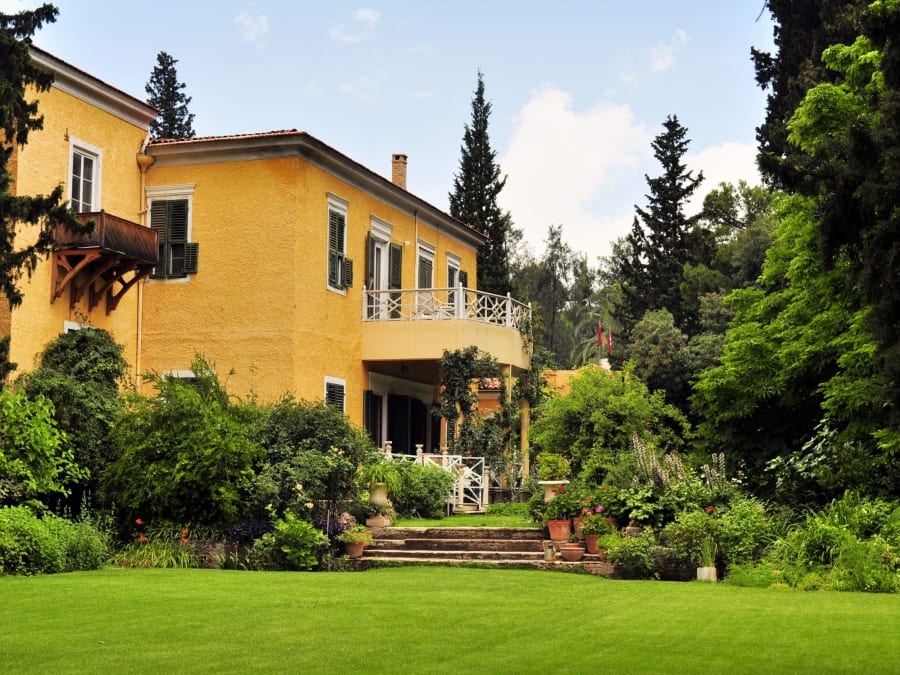
The earliest known history of Edward Whittall Mansion dates to 1816–1819, when the Duke of Rovigo, one of Napoleon's generals, stayed at this residence in Bornova. Edward Whittall Period (1875–1917): Born in 1851, Edward Whittall was one of Bornova's most renowned Levantines. After spending his childhood in the gardens of Charlton Whittall Mansion, he settled in this mansion in 1875 and quickly transformed it into a European-style...