

Location Info
Museum
Karacaoğlan
Yesilova and Yassitepe Mounds are archaeological sites where the oldest human findings in Izmir have been unearthed. Excavations in this area, located in Bornova's Karacaoglan neighborhood, have revealed settlement layers dating back 8,500 years (6500 BC). The mound, accidentally discovered in 2003, was declared a 1st Degree Archaeological Site in 2005.


Yesilova Mound
Yesilova and Yassitepe Mounds are archaeological sites where the oldest human findings in Izmir have been unearthed. Excavations in this area, located in Bornova's Karacaoglan neighborhood, have revealed settlement layers dating back 8,500 years (6500 BC). The mound, accidentally discovered in 2003, was declared a 1st Degree Archaeological Site in 2005.
Introduction
Yeşilova and Yassıtepe Mounds are the archaeological sites in İzmir where the oldest human finds have been unearthed. Excavations in this area, situated in the Karacaoğlan neighbourhood of Bornova, have brought to light settlement layers dating back 8,500 years (c. 6500 BCE).
Discovered by chance in 2003, the mound was designated a Grade I Archaeological Site in 2005.
History and Settlement Layout
Yeşilova Mound is İzmir's earliest known village settlement. Its inhabitants:
- diverted the course of Gökdere to create land suitable for farming,
- built mudbrick houses on stone foundations,
- established a peaceful village life with a planned street layout.
Fourteen distinct settlement phases have been identified at the mound. Abandoned some 7,500 years ago following a major fire, the settlement was later reused as a burial ground during the Roman period.
Archaeology and Finds from Daily Life
Agriculture and Animal Husbandry
Wheat, barley and lentils were cultivated; sheep, goats, cattle and pigs were domesticated.
Hunting and Fishing
Anatolian leopards, fallow deer and lions were hunted; in coastal areas, sea bream, tuna and mussels were consumed.
Production, Trade and Tool-Making
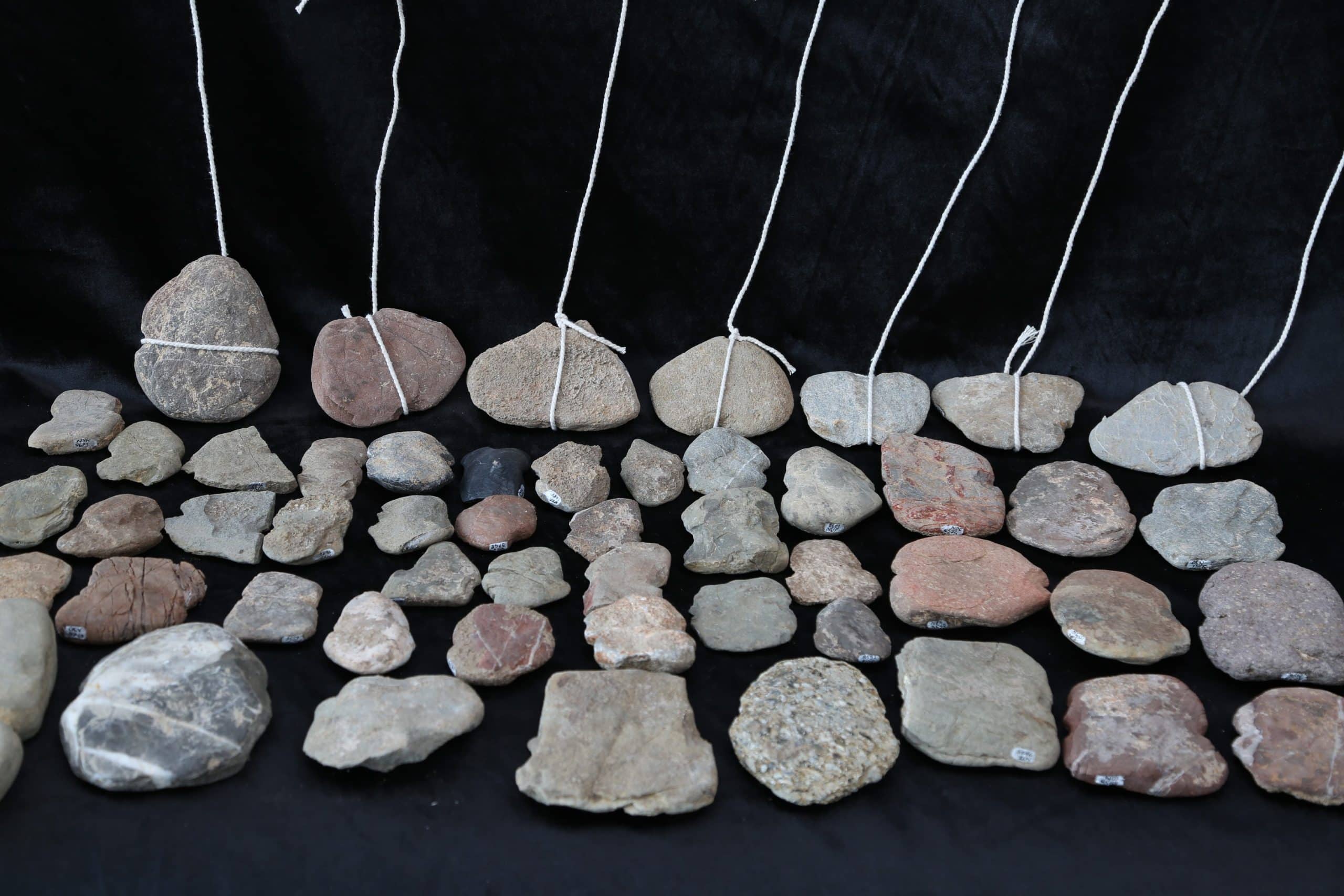
Cutting tools and axes were fashioned from flint, nephrite and, in particular, obsidian brought from the island of Melos and the Cappadocia region. The sourcing of these raw materials from distant lands points to long-distance trading networks of the period.
Pottery and Textiles
Red and cream-coloured vessels were produced, decorated with leopard and human figures. Textile production employed wool and plant fibres as well as cattle hide.
Belief and Ritual
Female figurines associated with the earth were used; communal ritual practices are thought to have taken place around ovens. Rather than dedicated ritual chambers, it is considered that expressions of belief may have been reflected on an individual basis within the domestic space. These findings demonstrate the interweaving of belief and daily life in the earliest settlements at the heart of İzmir.
Yeşilova Mound Visitor Centre
Prepared with the support of Bornova Municipality, the visitor centre opened in 2014. The site offers a modern and educational archaeological experience.
The Visitor Centre includes:
- exhibition halls,
- excavation house,
- archaeology workshops,
- a reconstructed Neolithic village,
- guided tours.
Present-Day Significance
Yeşilova Mound is one of the most important archaeological sites illuminating İzmir's prehistoric life. It documents the Aegean's earliest ways of living, from farming to trade, from production to belief.
The Visitor Centre has become an exemplary cultural centre that communicates this singular heritage to children, students and researchers.
Visiting Days/Hours
By appointment, in groups / guided by an archaeologist
Comments
Location Info
You May Also Like
View All
Extra Info
8,000-Year-Old Fishing Technique
8,000-Year-Old Fishing Technique at Yesilova Mound
During the excavations at Yesilova Mound, carried out with the support of Bornova Municipality, it was determined that communities living in the region approximately 8,000 years ago used advanced fishing techniques.
This discovery reveals that the Neolithic community of Bornova was engaged in fishing alongside agriculture and animal husbandry.
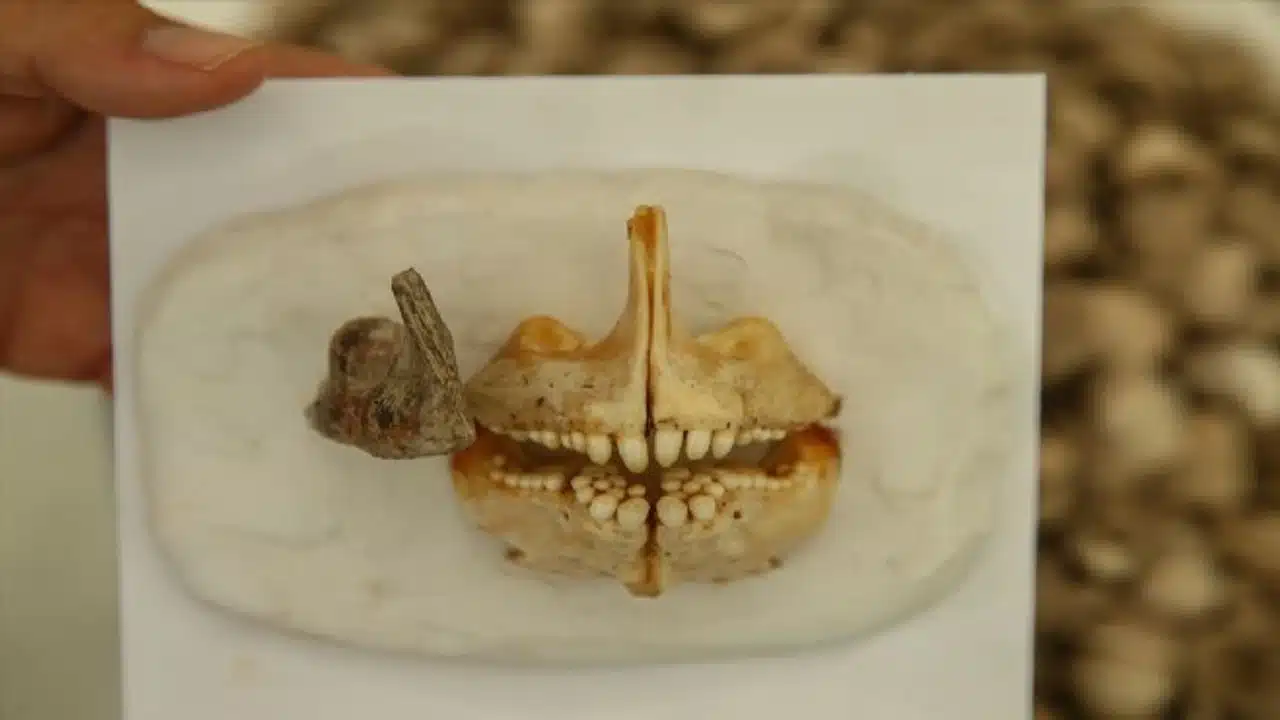
The bones of large fish such as stingrays and sea bream found at the mound serve as direct evidence of these fishing activities.
8,000-Year-Old Sea Bream and Seafood Consumption
8,000-Year-Old Sea Bream and Seafood Consumption at Yesilova Mound
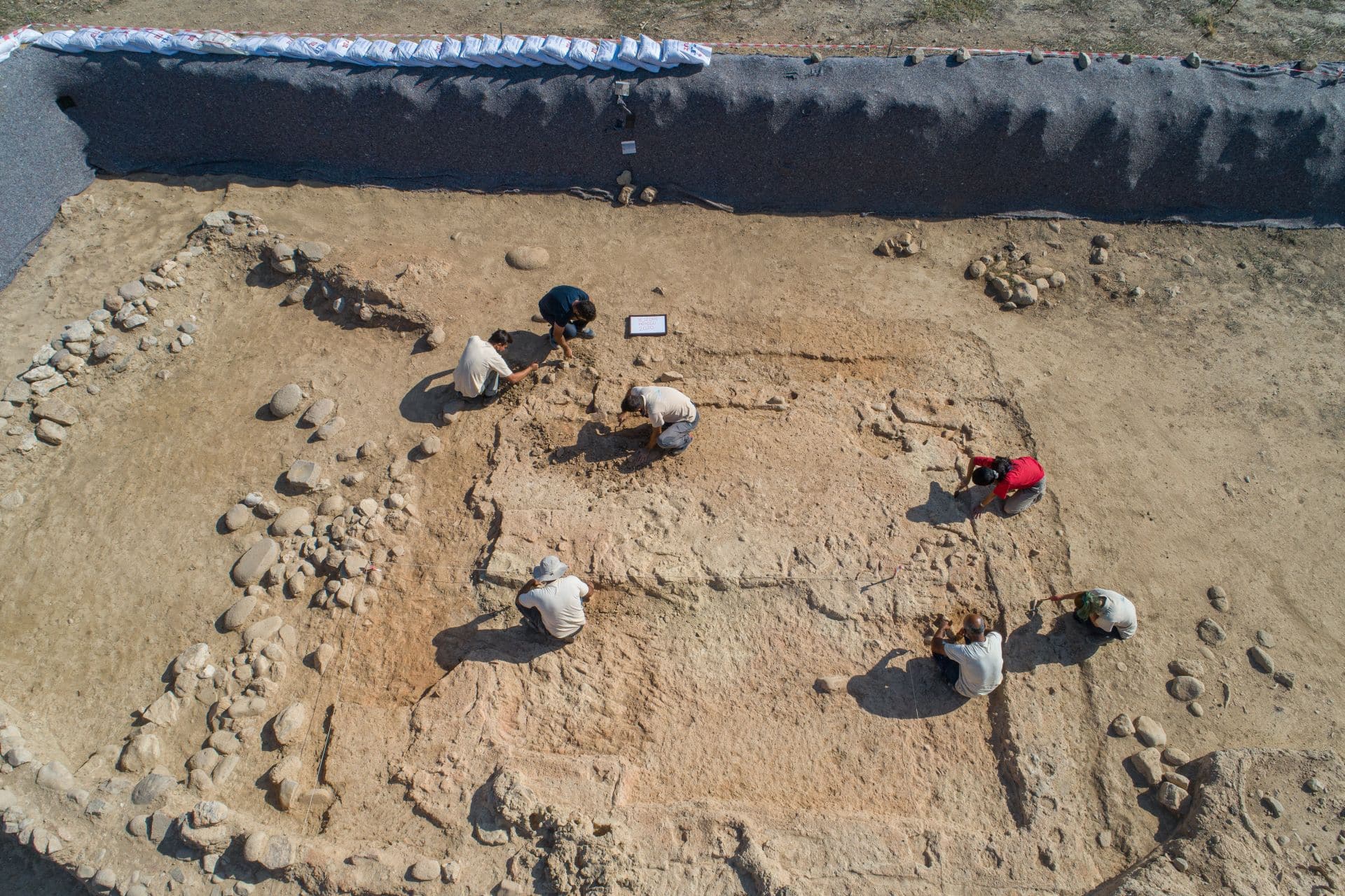
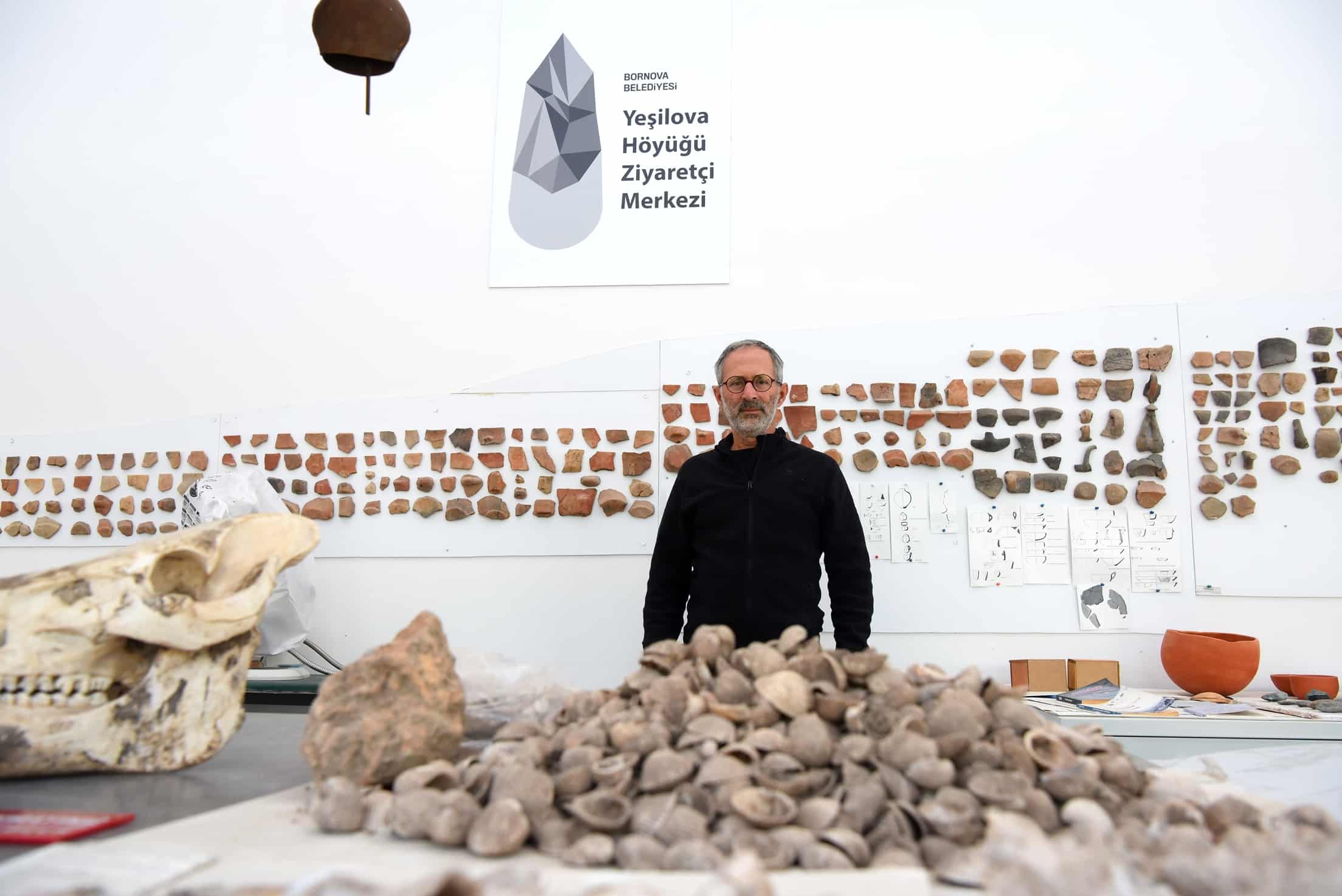
Assoc. Prof. Zafer Derin, Head of the Yesilova Mound Excavation Team, stated that archaeological excavation works have been ongoing in the region since 2005 with the support of the Ministry of Culture and Tourism, Ege University, Izmir Metropolitan Municipality, and Bornova Municipality.
This demonstrates that communities living in the Neolithic period continued to sustain themselves with seafood by reaching water sources, even though the sea was further away than it is today.
Examination of the bones reveals that these communities consumed various seafood including sand mussels, oysters, and sea snails, in addition to large fish such as stingrays and sea bream.
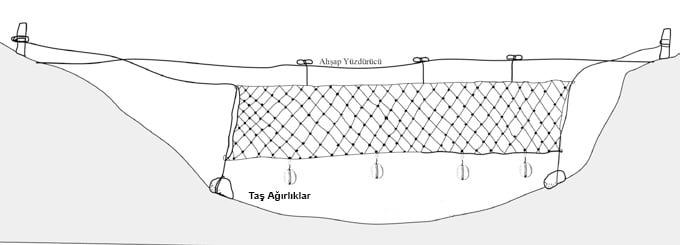
It is believed that the people of the era used bone-made fishing hooks or woven nets to catch fish. The fish were presumably cooked over fire before consumption.