Mansion
Erzene
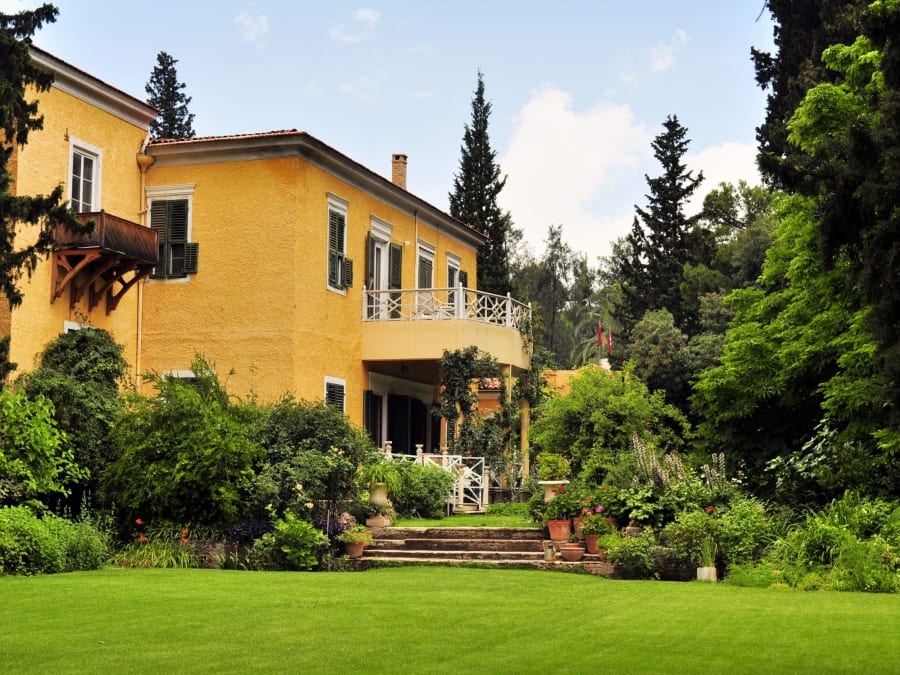
Mattheys Mansion was built in the late 18th century by English merchant John Maltass and is one of the oldest Levantine residences in Bornova. The property later passed to Maltass's daughter Eugenie Wood and the Wood family. One of the mansion's long-term last residents, Hortense Wood, was an intellectual immersed in music and literature who had taken lessons from Franz Liszt. The diaries kept by Hortense Wood...


Mattheys Mansion was built in the late 18th century by English merchant John Maltass and is one of the oldest Levantine residences in Bornova. The property later passed to Maltass's daughter Eugenie Wood and the Wood family. One of the mansion's long-term last residents, Hortense Wood, was an intellectual immersed in music and literature who had taken lessons from Franz Liszt. The diaries kept by Hortense Wood...
Mattheys Mansion was built in the late 18th century by English merchant John Maltass and is one of the oldest Levantine residences in Bornova. The property later passed to Maltass's daughter, Eugenie Wood, and the Wood family. Among its last long-term residents, Hortense Wood was an intellectual steeped in music and literature who had studied under Franz Liszt.
The "great house in Bornova" frequently mentioned in Hortense Wood's diary is the building known today as Mattheys Mansion.
Shortly after the liberation of İzmir on 9 September 1922, Gazi Mustafa Kemal Atatürk, accompanied by İsmet İnönü, Fevzi Çakmak and Halide Edip Adıvar, stayed at Mattheys Mansion on 16–17 September 1922 and took important decisions there.
Hortense Wood records Atatürk's visit in her diary:
"I welcomed Mustafa Kemal and his companions. They were most courteous people. I told him that I admired him and congratulated him on his victories. Upstairs, beside the piano, the fate of the empire was being discussed."
These words reveal that the mansion was a place intertwined both with Levantine life and with some of the most critical moments of Republican history.
The Wood family continued to reside in the mansion until the mid-20th century; Lucy Wood and Hortense Wood were the last representatives of the family line to inhabit the building. Mattheys Mansion is one of the rare Levantine buildings in Bornova to have remained in the same family until 2018.
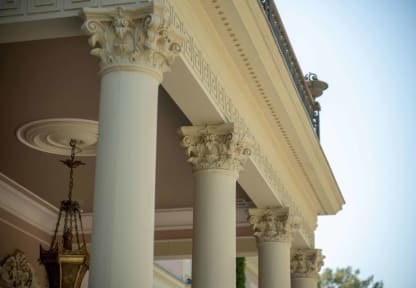
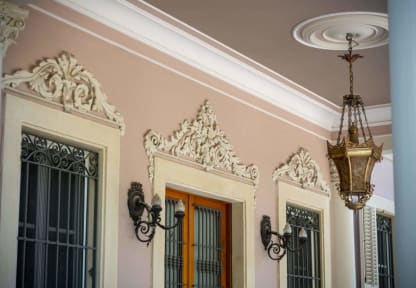
Acquired by Arkas Holding in 2018, Mattheys Mansion underwent a five-year comprehensive restoration led by architect Seda Özen Bilgili.
The restoration process:
In April 2023, the mansion opened to visitors as Arkas Art Bornova.
Mattheys Mansion unites Bornova's historical memory along three important axes:
1. Levantine living culture
2. Witness to the founding days of the Republic (Atatürk's visit)
3. Carrying cultural heritage to the present through art and restoration
Today, the mansion is one of Bornova's most treasured heritage sites, serving as both a cultural and a historical focal point.
References:
– A Contemporary Museological Approach in İzmir Urban Folklore: The Case of Arkas Art – Fatma Tekin
– arkasarcademia.com