
Location Info
Mansion
Ergene
Paterson Mansion is one of the largest and most magnificent residences representing the Levantine era of Bornova and Izmir. The mansion was commissioned by grain merchant John Bortwick Paterson, who came from Leith, Scotland to Izmir, with construction beginning in 1859 and completed around 1860. Paterson's mining concessions obtained from the Ottoman Empire and his commercial activities with England enabled the family's...


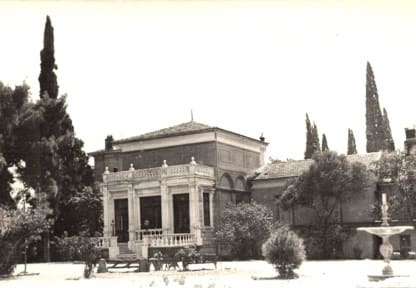
Paterson Mansion
Paterson Mansion is one of the largest and most magnificent residences representing the Levantine era of Bornova and Izmir. The mansion was commissioned by grain merchant John Bortwick Paterson, who came from Leith, Scotland to Izmir, with construction beginning in 1859 and completed around 1860. Paterson's mining concessions obtained from the Ottoman Empire and his commercial activities with England enabled the family's...
Introduction
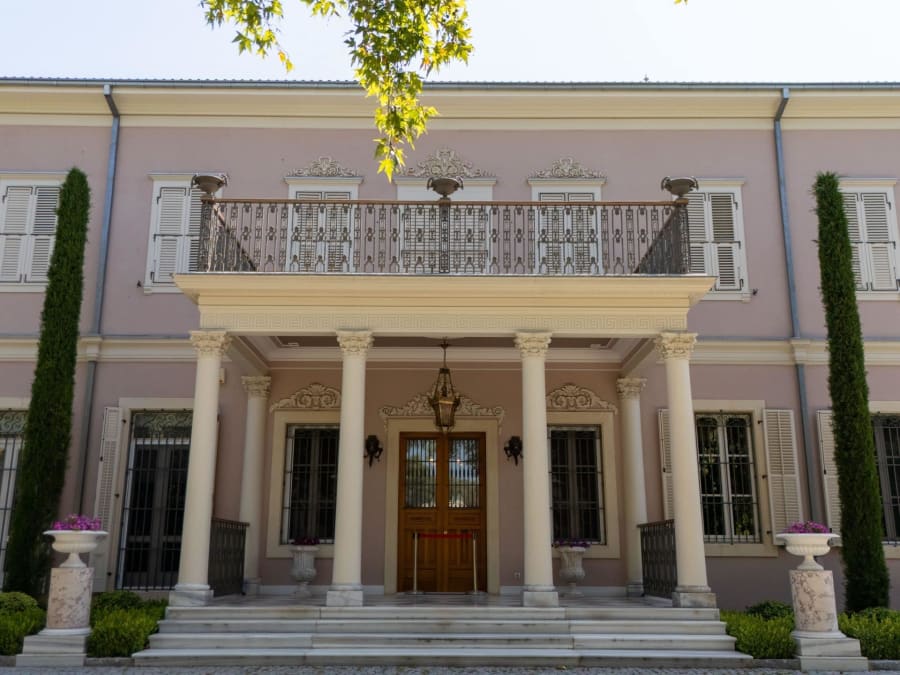
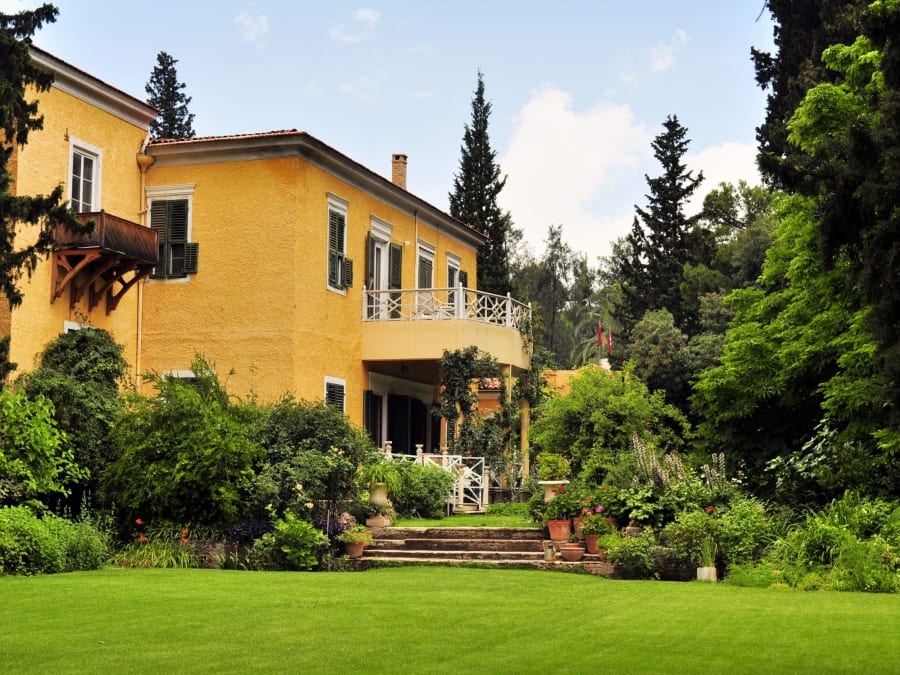
Paterson Mansion is one of the largest and most imposing residences representing the Levantine era of Bornova and İzmir. The mansion was commissioned by John Bortwick Paterson, a grain merchant who came to İzmir from Leith, Scotland; construction began in 1859 and was completed around 1860.
The mining concessions that Paterson obtained from the Ottoman State, together with his commercial activities with Britain, enabled the family to become one of the wealthiest Levantines in the region.
History and Family Life
The Levantine period:
At the time of the mansion's construction, the Paterson family stood at the centre of Bornova's social life.
- Balls, concerts and grand receptions were held in the 38-room mansion.
- A golf course occupied part of the estate; golf was played here long before the formal founding of the Bornova Golf Club in 1905.
- The presence of seven pianos on the property attests to the rich musical culture of the period.
The War of Independence:
John Paterson and his family left İzmir during the war and settled in Crete. Upon their return, they found the mansion undamaged, yet were unable to recapture their former success under the commercial conditions of the Republic.
The Republican period
- The Paterson family departed Turkey in 1963 and emigrated to Britain.
- The mansion was subsequently used for nearly five years as a NATO unit office.
- In 1973, it was partially demolished by a company intending to convert it into a carpet factory.
- In 1978, it was nationalised by the İzmir Provincial Monuments Council.
During this period, the mansion remained for many years in a semi-ruined, derelict state, awaiting intervention.
Architectural Features
- A monumental, three-storey residence of 38 rooms.
- Constructed with materials imported from Britain.
- A central-hall plan, spacious salons and lofty ceilings present a Levantine–Ottoman hybrid arrangement.
- The façade was altered more than seven times owing to Paterson's passion for innovation.
- On the western side of the property stood stables where racehorses were bred; the mansion is therefore associated with the theme of "horse racing."
The estate on which the mansion was built comprised approximately 54 dönüm (about 13 acres), half of which was used for stabling and training horses.
20th-Century Uses and the Restoration Process
- After the 1960s, the building deteriorated rapidly; although musical instruments and furnishings survived until the 1970s, they subsequently disappeared.
- In 2016, İzmir Metropolitan Municipality launched a comprehensive restoration project.
- Works were later halted, however, and management of the mansion was transferred to the Ministry of Culture and Tourism.
The repurposing and restoration of the mansion now rest with the Ministry's planning.
Cultural and Historical Significance
Paterson Mansion is one of the landmark buildings representing the most brilliant period of Levantine life in Bornova:
- One of the earliest golf sites in İzmir,
- One of the foremost centres of musical culture,
- A great Levantine estate where horse breeding and social events took place,
- A witness to İzmir's early industrialisation and transition to the military period.
Today, the mansion is of critical importance from the standpoints of both cultural heritage and conservation policy.