
Edward Whittall Mansion
Although the exact construction date is unknown, the Edward Whittall Mansion is known to have existed since the period when the Duke of Rovigo stayed in Izmir between 1816 and 1819. Taken over by British botanist Edward Whittall in the late 19th century, the mansion is notable for its botanical garden that gave its name to species such as Tulipa whittallii and Galanthus whittallii, and for hosting guests including Ataturk.
Introduction
Although its precise date of construction is unknown, documents from the period between 1816 and 1819, when the Duke of Rovigo — one of Napoleon's generals — lodged in this building after fleeing to İzmir, constitute the earliest historical records of the mansion's existence.
Throughout the 19th century the mansion was held by the Corsi, Perkins, Barry, Whittall and Giraud families.
The Edward Whittall Period (1875–1917)
Born in Bornova in 1851, Edward Whittall spent his childhood in the cypress-lined garden of the "Great House," now used as the Ege University Rectorate building.
In 1875 he moved to this mansion with his family and swiftly transformed it into a botanical paradise, creating one of the world's foremost private gardens with plants collected from Europe and Asia.
Two plant species that today bear the Whittall name in the scientific world — Tulipa whittallii (a wild tulip) and Galanthus whittallii (a snowdrop) — are the enduring legacy of this period.
Architecture and Garden Layout
The mansion was built with a stone ground floor and a brick upper storey.
- Façade: Symmetrical window rows, a front portico and classically proportioned pediments.
- Plan: Symmetry characteristic of English rural residential architecture, with high-ceilinged reception rooms.
- Garden: Featured on the postcards of the era; laid out with exotic plants, ponds, flower beds and pathways.
Thanks to Edward Whittall's botanical interest, the mansion became not merely a residence but also İzmir's first private botanical garden.
Guests and Historical Events
In the late 19th and early 20th centuries, the Edward Whittall Mansion was one of the centres of İzmir's cultural and intellectual life.
The mansion hosted such distinguished guests as Gustave Flaubert, Alphonse de Lamartine, Pierre Loti, Gazi Mustafa Kemal Atatürk, Latife Hanım, İsmet İnönü, Falih Rıfkı Atay and Yakup Kadri Karaosmanoğlu.
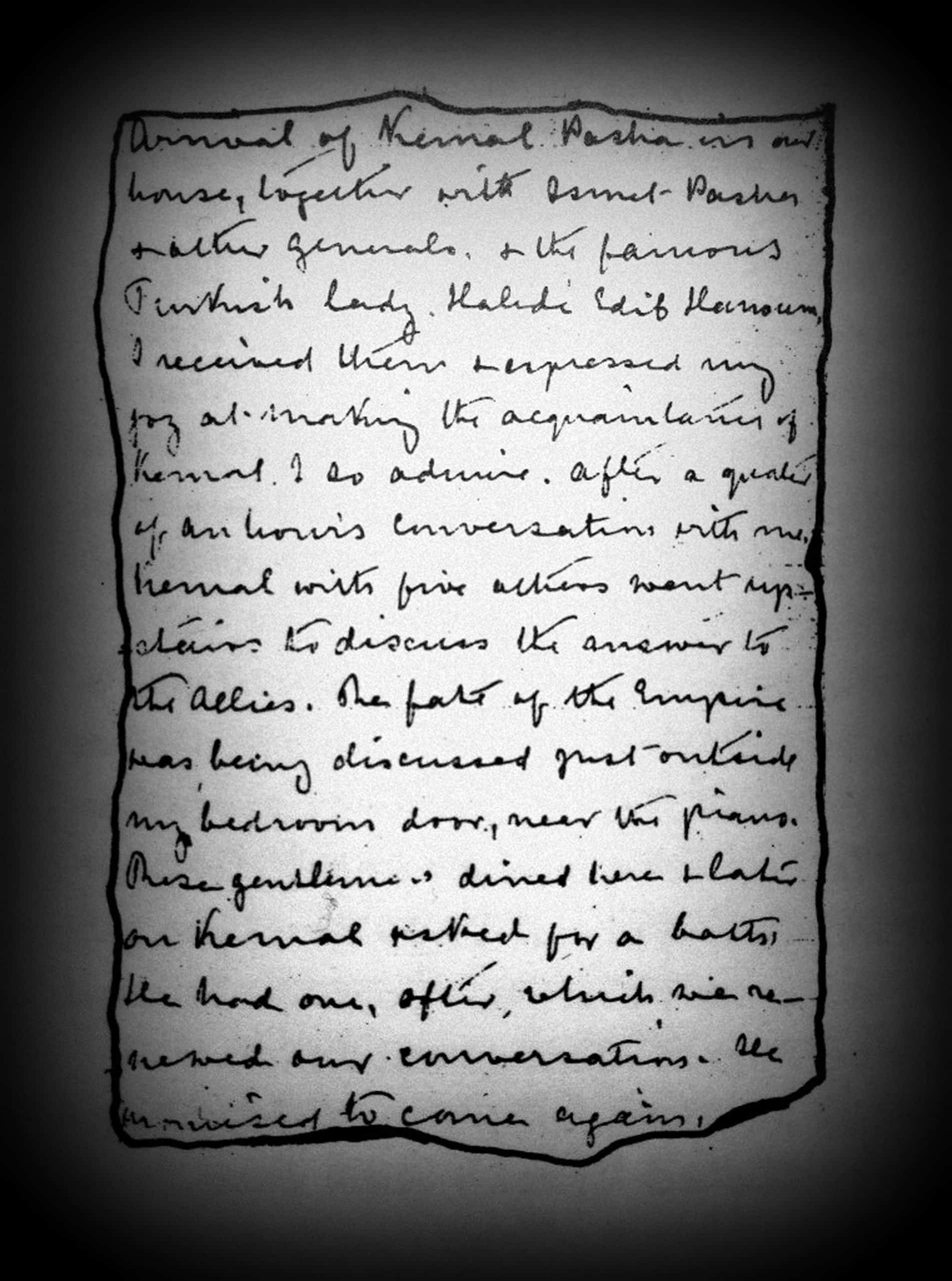
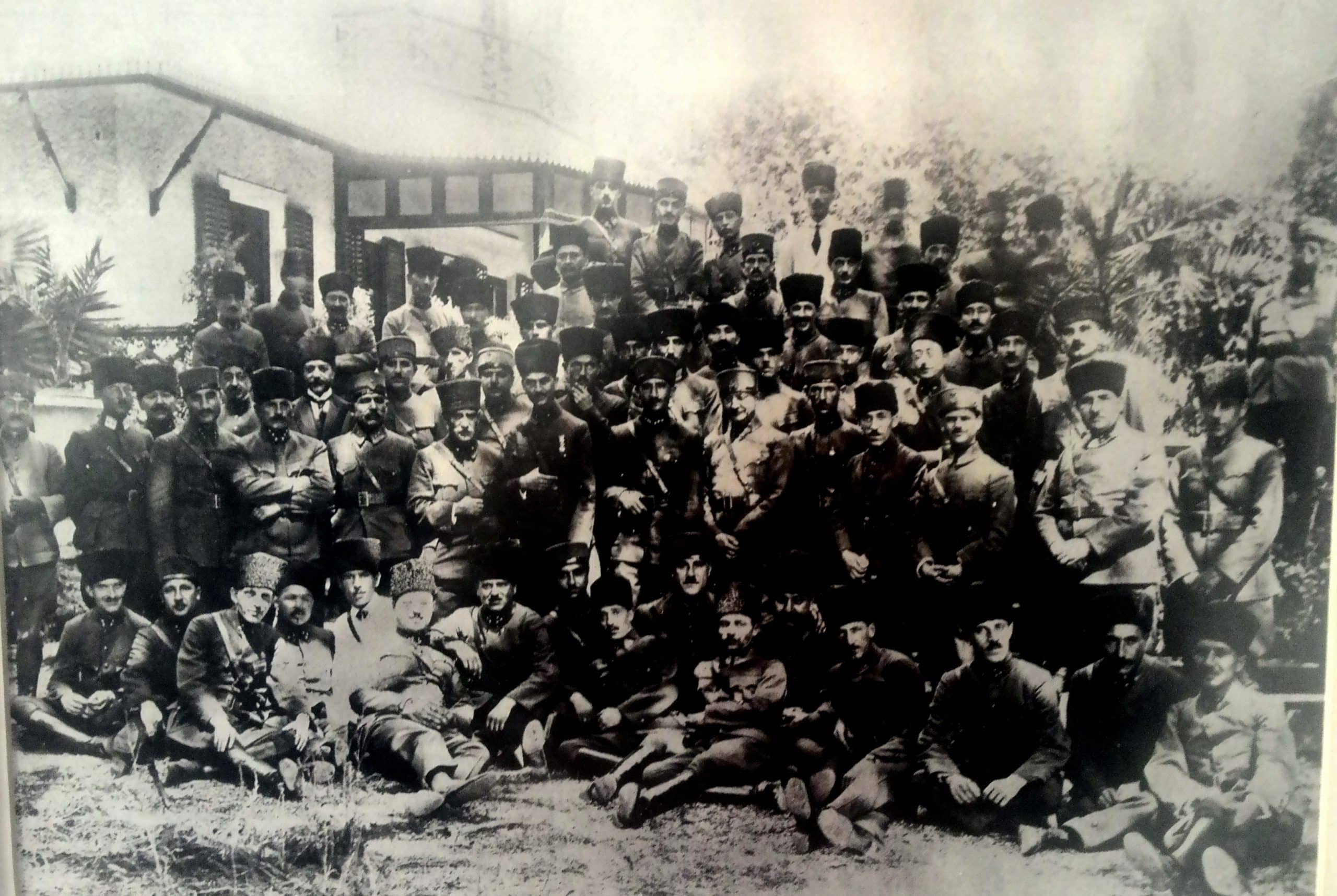
By a decision taken on 14 September 1922, the mansion was briefly used as the headquarters of the Western Front Command and the General Staff. This event ensured that the building holds a symbolic place not only in Levantine but also in War of Independence history.
Present Use
Following Edward Whittall's death in 1917, the building remained in family ownership.
Over time the mansion came to be known as the "Edward Whittall Garden" and is today in private ownership.
Its garden is under conservation protection and is used at certain times as a venue for concerts, weddings and cultural events.
The building is one of the most distinctive and living Levantine heritage sites preserving Bornova's historic identity.
Photo Gallery
Location Info
Although the exact construction date is unknown, the Edward Whittall Mansion is known to have existed since the period when the Duke of Rovigo stayed in Izmir between 1816 and 1819. Taken over by British botanist Edward Whittall in the late 19th century, the mansion is notable for its botanical garden that gave its name to species such as Tulipa whittallii and Galanthus whittallii, and for hosting guests including Ataturk.
You May Also Like
View All


Extra Info
Bornova'daki Genelkurmay Başkanlığı: Tarihi Bir Karargâh
Bornova'daki Genelkurmay Başkanlığı: Tarihi Bir Karargâh
İzmir'in kurtuluşunun hemen ardından, 14 Eylül 1922'de Garp Cephesi Komutanlığı ve Genelkurmay Başkanlığı kısa süreliğine Bornova'ya taşındı. Bu kritik karargâh, Edward Whittall Köşkü idi.
Mustafa Kemal Paşa, İsmet Paşa, Fevzi Paşa ve Halide Edip Adıvar gibi önemli isimlerin ağırlandığı bu yapı, stratejik kararların alındığı merkezdi.
Hortense Wood'un günlükleri, Yakup Kadri Karaosmanoğlu'nun anıları ve dönemin subaylarının fotoğrafları köşkün bu önemli rolünü belgelemektedir.